Creamy Pink Beet Hummus with Warm Pita - This vibrant hummus boasts a striking magenta hue and exceptionally smooth, velvety texture from roasted beets. The natural sweetness of beets balances the earthy chickpeas and tahini, while lemon juice adds bright acidity. Ready in just 20 minutes of active time, this showstopping dip transforms simple ingredients into an impressive appetizer for any gathering.
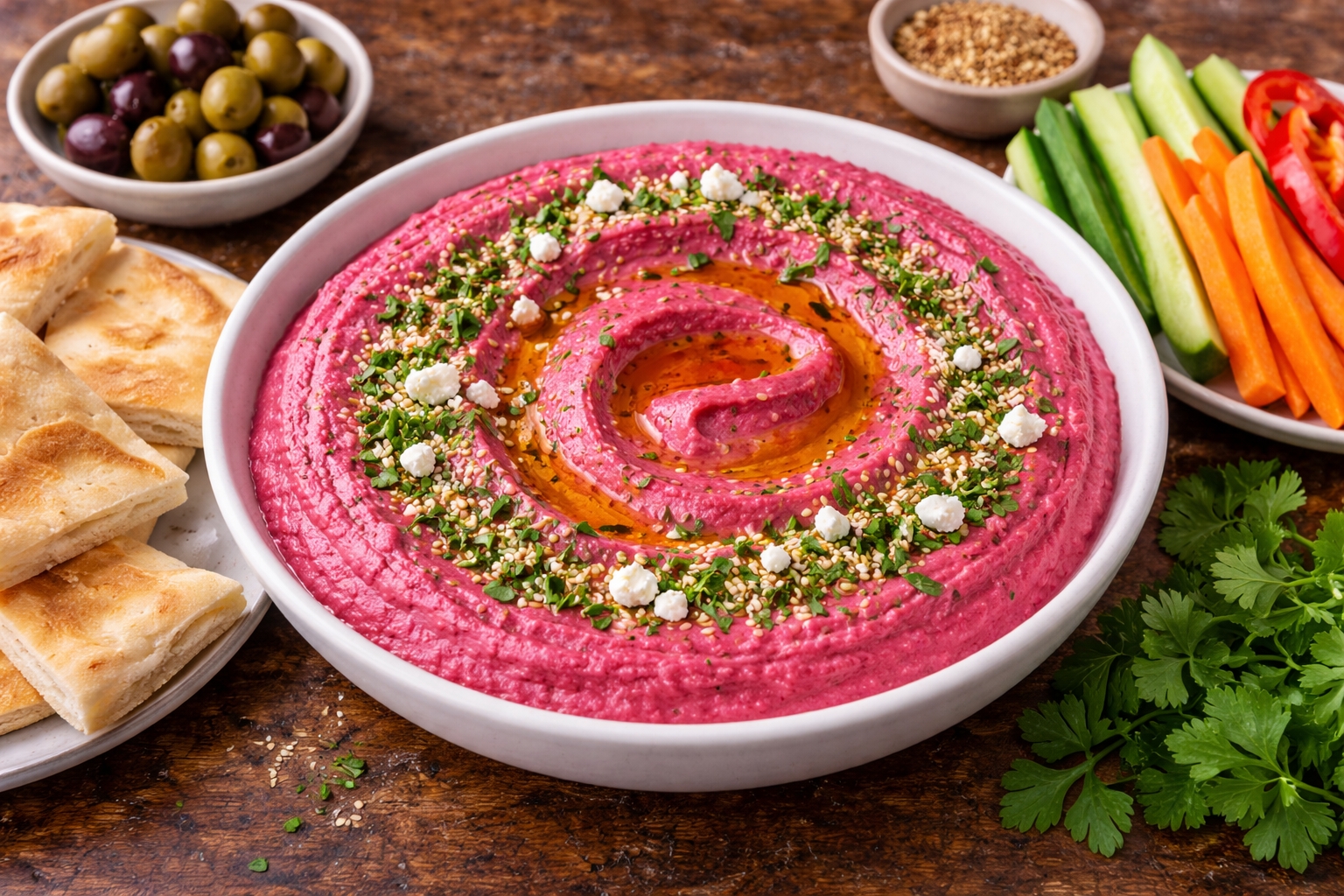
Creamy Pink Beet Hummus with Warm Pita - The creaminess comes from roasting the beets until they're completely tender, which breaks down their fibrous structure and allows them to blend seamlessly with the chickpeas. After testing, I found that using both canned chickpeas and their aquafaba (the liquid from the can) creates an emulsion that's lighter and fluffier than traditional hummus. The beets not only provide stunning color but also add natural sweetness that reduces the need for added oils. This aligns with my philosophy that vegetable-forward dips can be both healthier and more visually exciting than their traditional counterparts.
Dietary Notes
- ✓ Vegan-Friendly
- ✓ Make-Ahead Champion
- ✓ Gluten-Free Option
- ✓ Crowd-Pleasing Appetizer
♥
Why You'll Love This
- Stunning Presentation: The vibrant pink color makes this hummus a conversation starter at any party.
- Unexpected Sweetness: Roasted beets add natural sweetness that balances the earthy chickpeas and tahini.
- Healthier Twist: Beets boost nutritional value with fiber and antioxidants while reducing needed oil.
- Versatile Serving: Works as a dip, spread, or salad dressing base, adapting to multiple meal occasions.
Creamy Pink Beet Hummus with Warm Pita
👩🍳 Author: Abderrahmane
⏰ Prep Time: 20min
❄️ Cool Time: 0
🔥 Cook Time: 0min
🥨 Yield: 6
🍞 Method: Blending
🌾 Diet: Vegetarian
★
★
★
★
★
Leave a review
1x
2x
3x
Ingredients
- 2 medium beets, roasted and peeled
- 1 can (15 oz) canned chickpeas, drained (aquafaba reserved)
- ¼ cup tahini, well-stirred
- 3 tbsp fresh lemon juice
- 1 garlic clove
- ½ tsp ground cumin
- ½ tsp kosher salt
- 2 tbsp extra virgin olive oil
- 4 rounds pita bread
- 1 tsp sesame seeds
- 2 tbsp fresh parsley or dill
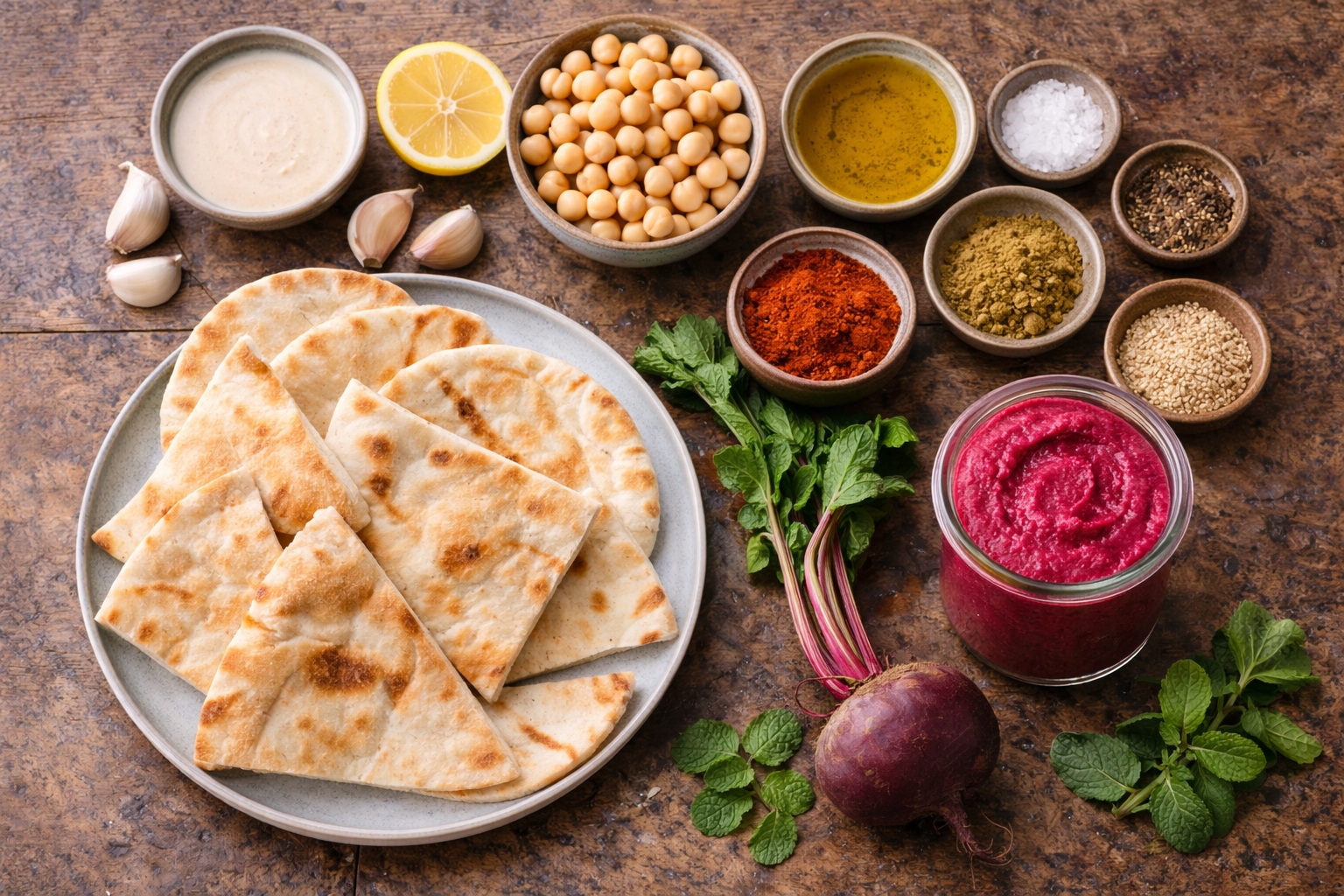
Ingredient Notes:
- medium beets, roasted and peeled Roasting beets until completely tender (about 1 hour at 400°F) breaks down their fibrous structure, allowing them to blend into a perfectly smooth, velvety texture. Cooling them completely prevents the hummus from becoming watery and helps maintain that vibrant pink color.
- canned chickpeas, drained (aquafaba reserved) The aquafaba (chickpea canning liquid) contains starches and proteins that act as natural emulsifiers, creating a lighter, fluffier hummus texture. Reserve 3-4 tablespoons to add during blending—this trick reduces the need for extra oil while achieving that restaurant-style creaminess.
- tahini, well-stirred Always stir tahini thoroughly before measuring to incorporate the separated oil back into the paste. Full-fat tahini gives the hummus a richer mouthfeel and helps create a stable emulsion that won't separate as quickly in the refrigerator.
- fresh lemon juice The acidity in lemon juice balances the natural sweetness of the roasted beets and brightens the earthy chickpea flavor. Fresh juice is essential here—bottled lemon juice can taste flat and metallic, which would detract from the bright, fresh character of this dip.
- garlic clove Using just one clove provides enough garlic flavor without overwhelming the delicate beet sweetness. Mince or grate it finely to ensure even distribution and prevent biting into raw garlic pieces—this is especially important in a no-cook preparation.
- ground cumin A small amount of cumin adds warm, earthy notes that complement both the chickpeas and beets without dominating the flavor profile. Toasting the cumin briefly in a dry pan before using would intensify its aroma, though it's optional for this quick preparation.
- extra virgin olive oil Drizzling the oil slowly while blending helps create a stable emulsion, resulting in a creamier texture. Save your best quality olive oil for the final drizzle garnish, where its fruity, peppery notes will be most noticeable against the sweet beet base.
- pita bread Warming the pita in a dry skillet until lightly charred adds smoky flavor and makes it more pliable for dipping. Cutting it into wedges before toasting creates more surface area for browning and gives you those perfect crispy edges.
- sesame seeds A sprinkle of sesame seeds adds subtle crunch and reinforces the tahini flavor in the hummus. Toasting them briefly in a dry pan would enhance their nutty aroma, though untoasted seeds still provide nice textural contrast.
- fresh parsley or dill Fresh herbs add a final burst of color and freshness that cuts through the richness of the dip. Chop them just before serving to preserve their vibrant color and aromatic oils, which would dull if added too early.
Instructions
-
1Step 1: Ensure the roasted beets are completely cooled - warm beets can cause the hummus to separate and become runny during blending.
-
2Step 2: In a food processor, combine the diced beets, drained chickpeas, tahini, lemon juice, garlic, cumin, and salt - starting with these ingredients allows for even distribution before liquid is added.
-
3Step 3: Pulse the mixture 5-6 times to break down the larger chunks - this creates a more uniform base before continuous blending.
-
4Step 4: With the processor running, slowly drizzle in the olive oil through the feed tube - this helps emulsify the mixture for a creamier texture.
-
5Step 5: Add 2-3 tablespoons of the reserved aquafaba (chickpea liquid) and continue blending - the aquafaba acts as an emulsifier and creates a lighter, fluffier hummus.
-
6Step 6: Blend for 2-3 minutes, scraping down the sides as needed, until completely smooth and velvety - longer blending creates the signature creamy texture of restaurant-style hummus.
-
7Step 7: Taste and adjust seasoning, adding more salt or lemon juice as needed - the beets' sweetness may require additional acidity for balance.
-
8Step 8: Warm the pita bread in a dry skillet over medium heat for 1-2 minutes per side until lightly charred and pliable - charring adds smoky flavor that complements the sweet beets.
-
9Step 9: Cut the warm pita into wedges and arrange around a serving bowl - this makes dipping easy and encourages sharing.
-
10Step 10: Transfer the hummus to a shallow bowl, create a well in the center, and drizzle with olive oil before sprinkling with sesame seeds and herbs - the well catches the oil for beautiful presentation.
Nutrition Facts
Calories 180
Protein 6g
Carbs 22g
Fiber 5g
Sugar 6g
Fat 8g
Sodium 320mg
Potassium N/A
Serving Suggestions
Spoon the hummus into a shallow bowl, creating a well in the center for olive oil. Drizzle generously with extra virgin olive oil and sprinkle with sesame seeds and fresh herbs. Serve immediately with warm, charred pita wedges and an assortment of fresh vegetables like cucumber, bell peppers, and carrot sticks. The contrast between the cool, creamy dip and warm bread creates perfect textural harmony.
How to Store?
Store hummus in an airtight container in the refrigerator for up to 5 days. The color may deepen slightly but the flavor will improve as the ingredients meld. Stir before serving if separation occurs. This hummus freezes well for up to 3 months; thaw overnight in the refrigerator and blend briefly to restore creamy texture. Warm pita is best served fresh but can be stored in an airtight bag and reheated in a dry skillet.
Other Recipes You'll L❤️ve
If you enjoyed this Creamy Pink Beet Hummus with Warm Pita or any other recipe on my blog,
please leave a ⭐ star rating and let me know how it went
in the comments below. I appreciate you taking time to read about this recipe, thank you!



Leave a Comment