Coconut Cream Pie - This coconut cream pie has a crisp buttery crust, a silky coconut filling, and a cloud of whipped cream finished with toasted coconut for contrast. The filling is rich and creamy without feeling too heavy, with a smooth pudding-like texture that slices cleanly once chilled. Sweet coconut flavor runs through every layer, while the toasted topping adds warmth and a gentle nutty edge. It is the kind of classic dessert that feels comforting, polished, and perfect for spring gatherings or family celebrations.
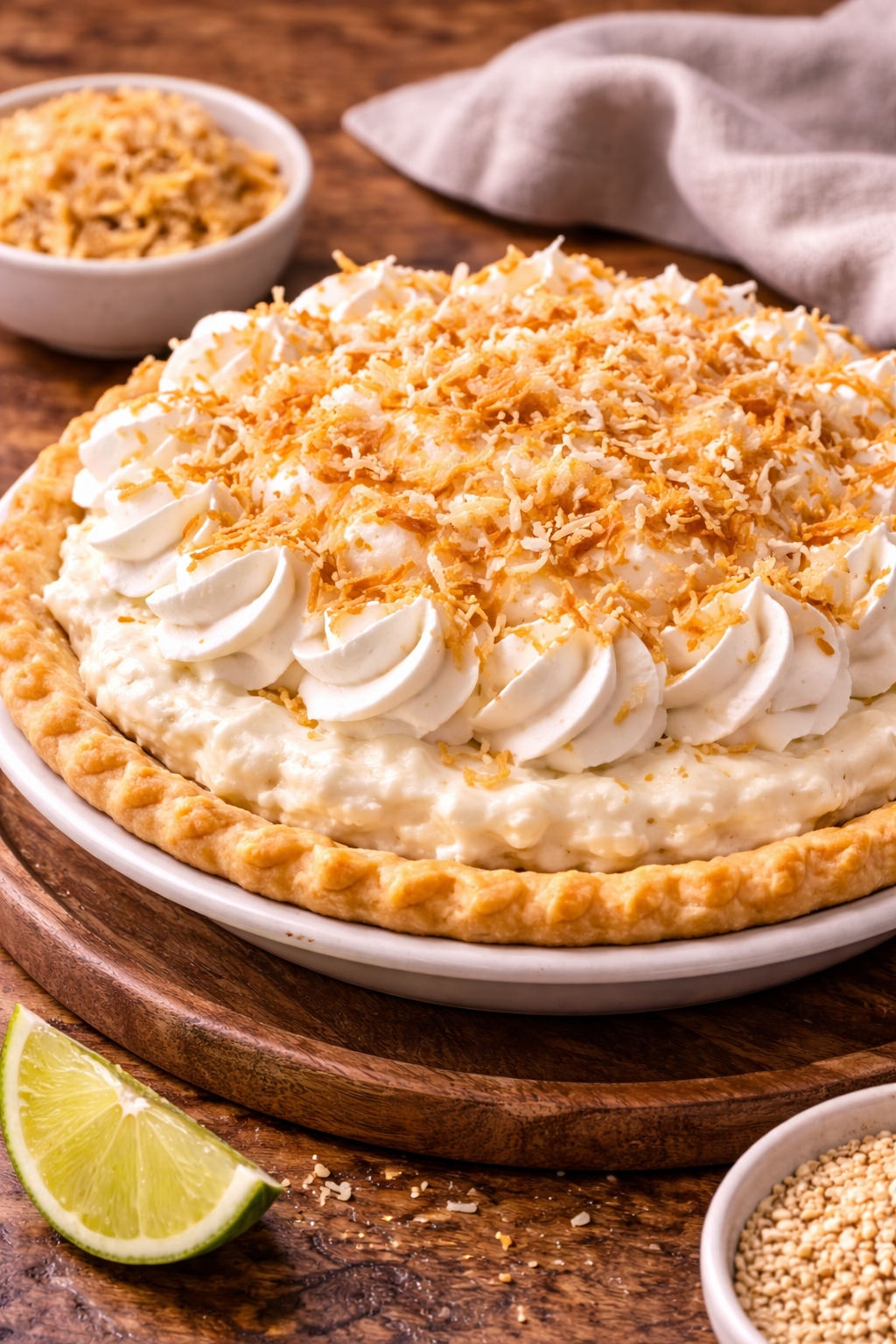
Coconut Cream Pie - This recipe works because every layer has a clear job and each one supports the final texture. The pie crust provides the crisp, flaky base that keeps the dessert from feeling soft all the way through. The filling is built like a proper coconut custard, thickened gently on the stove with egg yolks, cornstarch, milk, and coconut milk so it sets into clean slices instead of turning runny. After testing different ratios, I found that using both whole milk and full-fat coconut milk gives the best result because the dairy keeps the flavor rounded while the coconut milk brings the tropical richness people expect from a true coconut cream pie recipe. Sweetened shredded coconut stirred into the filling adds body and flavor without making the center coarse, while a short chill after assembly is essential for structure. This is one of those desserts that proves patience matters. If the filling is rushed or undercooked, the pie can slump; if it is cooked too aggressively, it can lose that velvety texture that makes coconut pie so memorable. The method is straightforward but delivers professional results, which fits my philosophy of using careful technique over unnecessary complication. Toasting the coconut for the topping is another important detail because it builds a deeper, more developed coconut flavor and adds delicate crunch against the creamy filling and soft whipped cream. The whipped topping should be lightly sweetened and spread or piped generously so the pie looks finished and celebration-ready without overwhelming the coconut custard underneath. The final dessert tastes nostalgic and elegant at the same time, which is exactly why it remains a classic for holidays, spring dinners, and anyone who loves a creamy pie with clear texture contrast and dependable sliceability.
Dietary Notes
- ✓ Classic Make-Ahead Dessert
- ✓ Creamy Spring Pie
- ✓ Family Gathering Favorite
- ✓ Coconut Lover’s Treat
♥
Why You'll Love This
- Silky Filling: The custard-style coconut center stays creamy, smooth, and sliceable when chilled.
- Balanced Texture: Crisp crust, soft whipped cream, and toasted coconut create contrast in every bite.
- Reliable Method: Proper stovetop thickening and chilling make this a no-fail coconut pie recipe.
- Celebration Ready: The pie looks polished enough for holidays and spring dessert tables without being difficult.
Coconut Cream Pie
👩🍳 Author: Abderrahmane
⏰ Prep Time: 35min
❄️ Cool Time: 240
🔥 Cook Time: 20min
🥨 Yield: 8
🍞 Method: Baking
🌾 Diet: Vegetarian
★
★
★
★
★
Leave a review
1x
2x
3x
Ingredients
- 1 9-inch shell prepared pie crust, baked and cooled
- 2 cups whole milk
- 1 can (13.5 oz) full-fat coconut milk
- 2/3 cup granulated sugar
- 1/3 cup cornstarch
- 1/4 tsp fine salt
- 4 large egg yolks
- 2 tbsp unsalted butter
- 1 tsp vanilla extract
- 1 cup sweetened shredded coconut
- 1 1/4 cups heavy cream
- 2 tbsp powdered sugar
- 1/2 cup toasted shredded coconut
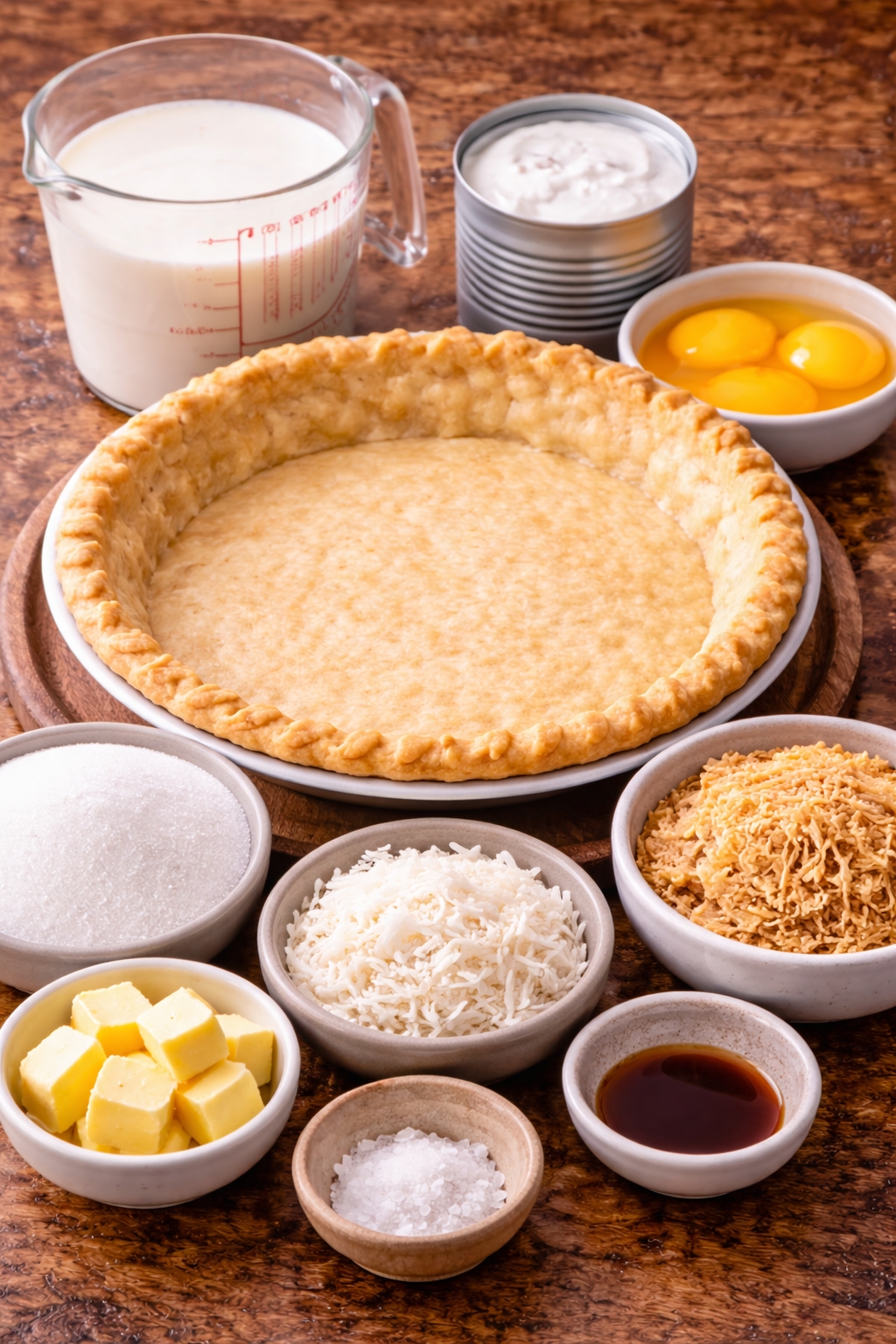
Ingredient Notes:
- prepared pie crust, baked and cooled A fully baked and cooled crust is essential because it gives the finished pie a crisp base that contrasts with the creamy filling. If the crust is even slightly warm when the custard goes in, steam can soften it and reduce that clean flaky texture.
- whole milk Whole milk keeps the custard smooth and rounded without making it too dense. It works with the coconut milk to create a balanced filling that tastes rich but still sets cleanly like a proper homemade coconut cream pie.
- full-fat coconut milk Use full-fat coconut milk for the clearest coconut flavor and the plush texture people expect in a classic coconut dessert. Light coconut milk can taste thinner and may not give the same creamy, no-fail pie filling.
- granulated sugar Sugar sweetens the filling, but it also helps create a softer, more luxurious custard texture. The amount here is balanced so the pie tastes indulgent without burying the natural flavor of the coconut.
- cornstarch Cornstarch is what gives the filling dependable structure, turning it from a loose pudding into a pie that slices neatly. Whisk it well so it dissolves evenly and does not leave any chalky or lumpy texture in the finished custard.
- fine salt A small amount of salt makes the coconut flavor taste more complete and keeps the sweetness from becoming one-dimensional. It is especially important in creamy desserts because it sharpens flavor without calling attention to itself.
- egg yolks Egg yolks add richness, color, and a custard-like finish that makes the filling feel more luxurious than a simple stovetop pudding. Temper and cook them gently so the texture stays silky and the pie never tastes eggy.
- unsalted butter Butter stirred in at the end gives the filling a softer mouthfeel and a slight sheen that makes it feel finished and bakery-style. It also rounds out the coconut flavor and helps the custard stay smooth as it cools.
- vanilla extract Vanilla softens the edges of the coconut and gives the filling a warmer, fuller dessert flavor. It should support the pie rather than compete with it, which is why a moderate amount works best.
- sweetened shredded coconut Shredded coconut folded into the custard adds body and makes the filling taste distinctly coconut rather than merely creamy. It also gives a subtle chew that contrasts nicely with the smooth pudding texture.
- heavy cream Heavy cream is ideal for the topping because it whips into a stable, airy layer that sits beautifully on the chilled pie. It adds lightness to balance the rich filling and gives the dessert its full classic coconut cream pie look.
- powdered sugar Powdered sugar sweetens the whipped cream while dissolving easily, which keeps the topping smooth and soft rather than grainy. Use just enough to lightly sweeten the cream without making the pie overly sugary.
- toasted shredded coconut Toasted coconut adds a nutty, aromatic finish and a delicate crunch that transforms the pie from simply creamy to fully layered in texture. Toast it just until golden so it stays fragrant and never turns bitter.
Instructions
-
1Step 1: Bake the pie crust fully and let it cool completely until crisp and firm - this creates a stable base that resists sogginess once the creamy coconut filling is added.
-
2Step 2: Whisk together the whole milk, coconut milk, sugar, cornstarch, salt, and egg yolks in a saucepan until smooth, then cook over medium heat while stirring constantly until the mixture thickens into a glossy custard - this gentle stovetop method guarantees a silky filling instead of a lumpy or curdled one.
-
3Step 3: Remove the custard from the heat and stir in the butter, vanilla, and sweetened shredded coconut until fully combined - this finishes the filling with extra richness, clean coconut flavor, and the light texture contrast that makes the pie feel homemade and classic.
-
4Step 4: Pour the warm filling into the cooled crust, smooth the top, and chill for several hours until fully set - this resting time is critical for sliceability and keeps the pie from collapsing when served.
-
5Step 5: Whip the heavy cream and powdered sugar until soft peaks form, then spread or pipe over the chilled pie and finish with toasted coconut - this final topping adds airy contrast and gives the coconut cream pie its familiar bakery-style appearance.
Nutrition Facts
Calories 510
Protein 6g
Carbs 43g
Fiber 2g
Sugar 27g
Fat 36g
Sodium 240mg
Potassium N/A
Serving Suggestions
Serve the coconut cream pie well chilled so the filling holds its shape and the slices stay clean and defined. For the best presentation, use a sharp knife wiped between cuts and top each slice with extra whipped cream and a little more toasted coconut so the texture contrast stays visible on the plate. This pie pairs beautifully with coffee, black tea, or fresh berries if you want a brighter spring dessert spread. If serving for a gathering, keep the pie refrigerated until just before slicing so the filling remains firm and the whipped topping stays fresh and airy. A simple garnish of lime zest or white chocolate curls can also work if you want a more dressed-up finish without distracting from the coconut.
How to Store?
Store the pie covered in the refrigerator for up to 4 days. The crust will be at its crispest on the first and second days, while the filling stays smooth and creamy throughout the full storage time. Avoid freezing the fully assembled pie because the custard and whipped cream can lose their best texture after thawing. For make-ahead preparation, the crust can be baked one day ahead and the filling can be cooked and chilled separately before assembly. Toasted coconut should be added on top close to serving if you want to preserve as much crunch as possible. Keep the pie cold until service so the slices remain neat and the classic creamy coconut filling stays properly set.
Other Recipes You'll L❤️ve
If you enjoyed this Coconut Cream Pie or any other recipe on my blog,
please leave a ⭐ star rating and let me know how it went
in the comments below. I appreciate you taking time to read about this recipe, thank you!



Leave a Comment